Exploring the Dual Impact of Technology on Health and Society
Technology is often hailed as a powerful force for good. It has the potential to connect people across the globe, improve access to resources, and create new opportunities for innovation and development. However, the rapid pace of technological advancement has also raised important questions about inequality both economic and social.
While tech can bridge gaps, offering opportunities to previously underserved communities, it can also widen inequalities in areas such as access to healthcare, education, and economic resources. In this article, we explore how technology can either be a force for positive change or exacerbate existing inequalities, with a special focus on health and well-being.
Technology as a Bridge: Improving Access and Opportunities
Technology has the ability to level the playing field in many ways, offering solutions to long-standing inequalities. Here’s how tech has already started bridging gaps:
1. Access to Healthcare
One of the most significant ways tech is bridging inequality is through telemedicine and digital health platforms. By leveraging digital tools, healthcare providers can offer services to people in rural or remote areas, where access to doctors and medical facilities is limited.
- Example: In many parts of the world, telehealth services allow individuals to consult with doctors through their smartphones, reducing the need for travel and making healthcare more accessible.
Health Impact:
- Mental Health: Telehealth platforms provide a more comfortable environment for patients to discuss sensitive health issues, reducing the stigma around seeking help.
- Physical Well-being: More people can access life-saving treatments and care, leading to improved overall health outcomes, especially in underserved communities.
2. Educational Advancements and Learning Tools
Technology has revolutionized education, especially in the wake of the COVID-19 pandemic. E-learning platforms and digital tools can provide quality education to those who might not have access to traditional in-person schools.
- Example: Open-source learning platforms, like Coursera and Khan Academy, make learning accessible to people from all walks of life, from those in low-income regions to remote communities.
Health Impact:
- Mental Health: Education opens the doors to better job opportunities and empowerment, significantly improving self-esteem and social mobility.
- Physical Health: Better education leads to healthier lifestyle choices, better employment opportunities, and improved access to healthcare.
3. Financial Inclusion
Tech has brought about significant progress in the field of financial inclusion, particularly through mobile banking and microloans. In many developing countries, fintech platforms allow individuals to engage in financial activities—such as saving, lending, or making transactions without needing access to a physical bank.
- Example: Services like M-Pesa in Kenya have given millions of people access to financial services, empowering them to save money, pay for healthcare, and invest in their future.
Health Impact:
- Mental Well-being: Financial security is directly linked to better mental health, reducing stress and the anxiety associated with economic instability.
- Physical Well-being: Improved access to financial resources enables individuals to pay for healthcare services, invest in nutritious food, and create a stable home environment, which are key factors for well-being.
Technology as a Divider: Widening Inequality
While technology has great potential to bridge gaps, it also has the capacity to widen inequality, especially when access to technology is not equally distributed. Here’s how tech may inadvertently exacerbate inequalities:
1. Digital Divide
One of the biggest challenges facing global tech is the digital divide—the gap between those who have access to the internet, smartphones, and other technologies, and those who do not. This divide is often determined by geography, socioeconomic status, and education.
- Example: People living in rural or remote areas often have limited internet access or rely on outdated technology, which hinders their ability to participate in online learning, telemedicine, or even job opportunities that require digital skills.
Health Impact:
- Mental Health: The digital divide can result in feelings of exclusion, isolation, and frustration, which can lead to depression and stress in marginalized communities.
- Physical Well-being: Limited access to online healthcare services can lead to missed diagnoses or lack of preventive care, resulting in poorer health outcomes.
2. Job Displacement and Automation
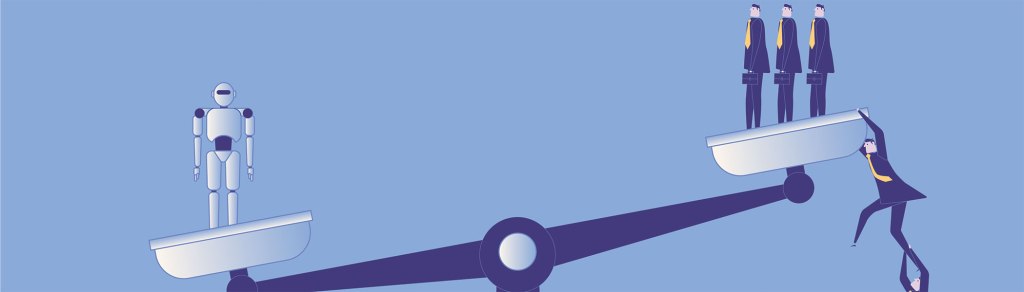
As AI and automation continue to advance, there are growing concerns that many jobs will be replaced by machines, particularly in industries that rely heavily on manual labor. Those in low-income jobs may face displacement, while the demand for tech skills in higher-paying fields increases.
- Example: In sectors like manufacturing, robotic automation is replacing jobs traditionally held by humans, leaving individuals without new job opportunities if they do not have the necessary skills for the emerging tech economy.
Health Impact:
- Mental Health: Job loss and unemployment due to automation can lead to financial instability, stress, anxiety, and depression.
- Physical Well-being: The stress of unemployment can negatively affect physical health by increasing chronic stress levels, which contribute to conditions like heart disease and hypertension.
3. Bias in AI and Data Algorithms
AI systems and algorithms are increasingly used to make decisions in healthcare, finance, hiring, and other areas. However, many of these systems are trained on biased data or created by teams lacking diversity, leading to biased decision-making that can disproportionately affect marginalized groups.
- Example: AI used in hiring or loan approval processes has been shown to favor candidates who are white, male, and affluent, leading to discrimination against women, racial minorities, and lower-income individuals.
Health Impact:
- Mental Health: People who experience discrimination via biased algorithms may feel undervalued or excluded, leading to feelings of inferiority and hopelessness.
- Physical Health: Discrimination can cause chronic stress, which is linked to poor health outcomes like high blood pressure, sleep disorders, and weakened immune systems.
Striking a Balance: Ensuring Tech Fosters Equality
To ensure that technology bridges gaps rather than widens them, we must focus on inclusive tech development and ensure equitable access to digital resources.
Key Steps Toward Bridging the Gap:
- Universal Access to the Internet: Initiatives to expand internet access in underserved areas, particularly in developing countries, will help close the digital divide.
- Digital Literacy: Providing education and training to help people develop digital skills is key to ensuring that no one is left behind in the tech economy.
- Ethical AI: Developing and implementing AI systems that are transparent, fair, and free of bias will ensure that technology serves all people equally.
- Inclusive Health Tech: Investing in technologies that address the needs of marginalized communities in healthcare—such as affordable telemedicine or mental health apps—will ensure that the most vulnerable aren’t excluded from the benefits of innovation.
Conclusion: Tech’s Potential to Heal or Harm
Technology has the potential to either bridge inequality or widen it and its impact largely depends on how it is developed, distributed, and regulated. If managed inclusively, tech can be a powerful tool for improving health, education, and economic outcomes for all. However, without intentional efforts to ensure accessibility, fairness, and equity, technology risks leaving behind the very people who need it the most.
As we move toward a more tech-driven world, it’s essential that inclusion becomes a foundational principle. Only then can we ensure that technology’s promise of a better future is realized for everyone, regardless of their background or circumstances.
 Techinsider