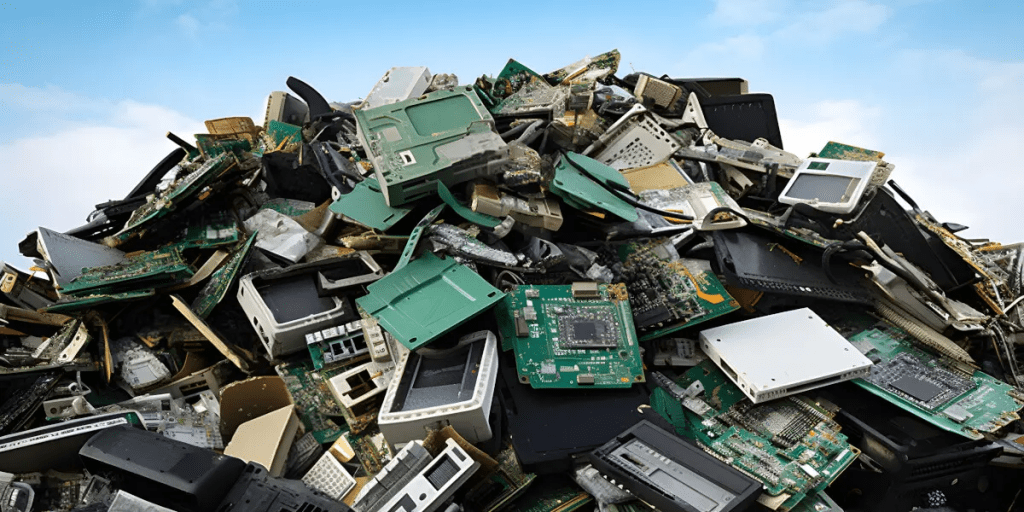
As technology evolves rapidly, businesses are upgrading their electronics more frequently than ever before. But what happens to all the outdated or broken devices? That’s where bulk commercial electronic recycling comes in—a sustainable, secure, and often legally necessary way to dispose of large volumes of e-waste. Whether you run a small office or a large corporation, following best practices for recycling your electronics in bulk can help your business reduce environmental impact, protect sensitive data, and remain compliant with local and federal regulations.
1. Create an Internal E-Waste Management Plan
Before disposing of any electronics, develop an internal recycling protocol. Assign a team or point person to oversee e-waste management, set regular collection dates, and educate employees about what can and cannot be recycled. Clear processes ensure smooth, safe disposal and reduce the risk of improper handling.
2. Partner with a Certified Recycler
When dealing with bulk electronic recycling, it’s essential to work with a certified e-waste recycling provider. Look for recyclers that are R2 (Responsible Recycling) or e-Stewards certified. These certifications ensure that your electronics will be recycled in an environmentally responsible and ethical manner, with proper tracking and documentation.
3. Wipe or Destroy Sensitive Data
Before handing over any devices—especially computers, servers, smartphones, or copiers—ensure all sensitive information is removed. This step is vital for maintaining cybersecurity and regulatory compliance, particularly in industries like healthcare, finance, and legal services. Partnering with a recycler that offers data destruction services can help protect your business from potential breaches.
4. Separate Equipment for Efficient Processing
Sorting your e-waste by type—such as computers, printers, networking equipment, and batteries—makes the recycling process more efficient for your provider and can sometimes lower your overall cost. Batteries, for example, often need to be processed separately due to potential hazards.
5. Stay Compliant with Local E-Waste Laws
Each state or municipality may have its own regulations regarding electronic waste. Make sure your recycling efforts are compliant with local and federal laws to avoid fines or penalties. A reputable recycling company will help you stay informed and compliant with the most up-to-date legislation.
6. Track and Document Your Recycling Efforts
Businesses can benefit from keeping detailed records of their recycling practices. Not only does this help with audits or compliance, but it also supports your corporate sustainability initiatives. Ask your recycler for documentation or certificates of recycling for your records.
Make Commercial E-Waste Recycling Easy and Responsible
At eCycle Florida, we specialize in bulk commercial electronic recycling services that are secure, sustainable, and fully compliant. From certified data destruction to scheduled pickups and compliance reporting, we make the process hassle-free for your business.
Ready to recycle responsibly? Contact us today to schedule your free consultation and start building a greener, safer future—one device at a time.This post was written by Steven Elia Co-Founder and Recycling Director at eCycle Florida. eCycle Florida is a R2 Certified electronics recycling company in the state of Florida. Our processes and procedures are dedicated to the proper destruction and recycling of your electronics. eCycle Florida is your go-to for electronic recycling in Tampa.
 Techinsider
Leave a comment