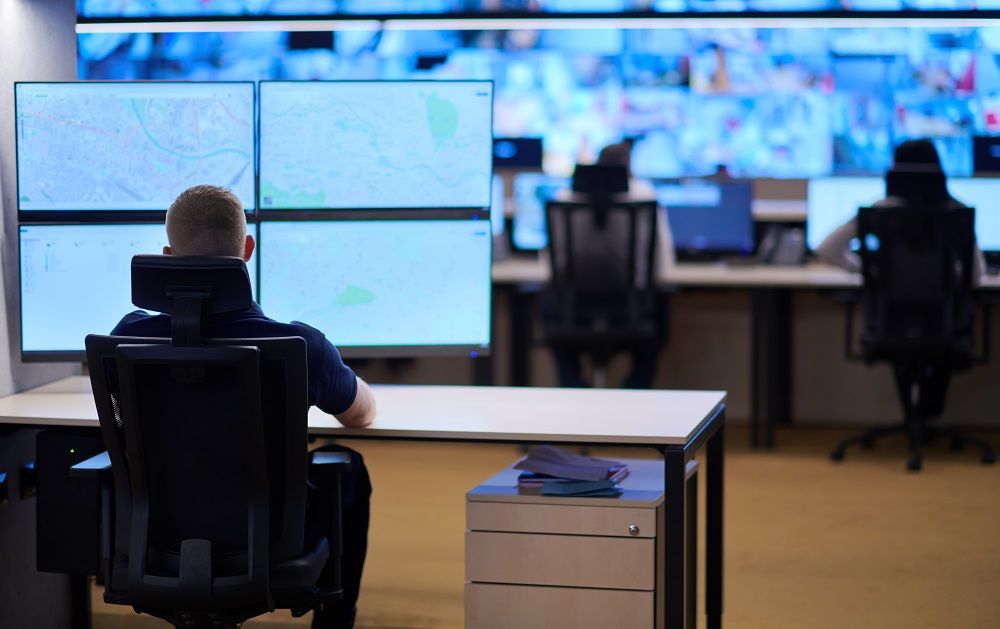
Cyber threats pose a growing challenge for businesses of every size. From phishing emails to ransomware attacks, a single security incident can disrupt daily operations and damage customer trust. Small and mid-sized businesses also face risks when they lack clear security policies or reliable protection for their systems.
Fortunately, practical cybersecurity measures help reduce these risks and keep important business information safer. Understanding common threats is the first step toward building a stronger defense. With the right tools and security practices, businesses can improve their ability to prevent attacks and respond to potential incidents.
Recognize Common Cybersecurity Threats
Understanding how cyberattacks happen helps businesses identify warning signs before they lead to serious problems. Phishing remains a common threat, with attackers sending deceptive emails or messages that encourage employees to share login credentials or open harmful links.
Ransomware attacks involve malicious software that locks files or systems until attackers demand payment. Weak passwords and stolen credentials also give unauthorized users opportunities to access business accounts. Other threats include malware infections, fraudulent payment requests, data breaches caused by compromised systems, and phishing attacks that trick employees into revealing sensitive information.
Regular security awareness training helps employees recognize suspicious activity and report concerns promptly. When teams understand these risks, they become better prepared to protect company information and avoid preventable mistakes.
Strengthen Passwords and Enable Multi-Factor Authentication
Strong login security helps prevent unauthorized access to business accounts and sensitive records. Encourage employees to create unique passwords that combine sufficient length with unpredictable words or characters. Password managers help staff store credentials securely without reusing the same password across multiple platforms.
Multi-factor authentication (MFA) adds another layer of protection by requiring an additional verification step during login. Even if attackers obtain a password, this extra requirement makes account access more difficult. Businesses should prioritize MFA for email accounts, financial platforms, remote access tools, and administrative systems. Reviewing account permissions regularly also helps remove unnecessary access when employees change roles or leave the company.
Keep Software and Systems Updated
Outdated software often contains security weaknesses that attackers exploit to enter business networks. Web browsers and network devices all need regular updates to address known vulnerabilities. Enable automatic updates when practical, and establish a schedule for checking systems that require manual maintenance.
Businesses should also replace unsupported software because vendors no longer provide security patches for these products. IT teams need an accurate inventory of devices and applications to identify outdated technology before it creates unnecessary risks. Routine vulnerability assessments help uncover weaknesses that require attention. A consistent update process reduces exposure to known threats and supports a more secure working environment.
Protect Business Data With Reliable Backups
Data backups help businesses recover important files after ransomware attacks, accidental deletions, hardware failures, or other disruptive incidents. Maintain regular copies of critical information, including customer records and essential business applications. Store backups separately from primary systems so an attacker who compromises the network has fewer opportunities to damage every copy.
A combination of offline and secure cloud backups provides additional flexibility during recovery. Businesses should also test their backups regularly to confirm that files remain accessible and usable. Establishing clear recovery procedures helps employees understand which systems to restore first during an emergency. Reliable backups reduce the risk of permanent data loss and help operations resume with less disruption.
Train Employees to Recognize Security Risks
Employees play an important role in protecting business systems because many cyberattacks begin with deceptive messages or unsafe online activity. Provide regular training on identifying suspicious emails, unexpected attachments, fraudulent payment requests, and fake login pages. Encourage staff to verify sensitive requests through trusted communication channels before sharing information or transferring funds. Simulated phishing exercises also help employees recognize warning signs and report suspicious activity promptly. Consistent training builds safer security habits and reduces the risk of successful cyberattacks.
Secure Networks and Remote Access
Business networks connect employees to important systems, but poorly protected connections create opportunities for unauthorized access. Use reputable endpoint protection and secure network configurations to help monitor and block suspicious activity. Change default passwords on routers and other network devices, while restricting administrative access to authorized personnel.
Employees who work remotely should use approved secure connections, especially when accessing sensitive company resources over public Wi-Fi. Virtual private networks (VPNs) may provide an additional layer of protection when configured and managed correctly. Separate guest Wi-Fi from networks that support business operations to limit unnecessary access to internal systems. Regular network reviews help identify configuration problems and keep security measures aligned with changing business needs.
Develop a Clear Cybersecurity Response Plan
Even with strong preventive measures, no business has complete protection against every cyber threat. A response plan helps employees act quickly when they discover suspicious activity, compromised accounts, or a possible data breach.
Identify who will assess the incident, isolate affected devices, communicate with relevant stakeholders, and coordinate recovery efforts. Keep contact details for IT support amd cybersecurity specialists to legal advisers and other essential partners readily available. Businesses should also establish procedures for preserving evidence and determining whether reporting obligations apply.
Cybersecurity services from companies like TWR Group may support businesses in strengthening their defenses and preparing for potential security incidents. Periodic exercises help teams understand their responsibilities before an actual incident occurs. Reviewing the plan after tests or security events helps address weaknesses and improve future responses.
Build a Stronger Defense Against Cyber Threats
Protecting a business from cyber threats requires consistent attention rather than a single security upgrade. From strong passwords and updated software to secure networks and reliable backups all contribute to a safer operating environment. A clear response plan also prepares teams to act when preventive measures fail. Start by reviewing your current security practices and prioritizing improvements that protect critical systems and data. Regular assessments help businesses adapt their defenses as new risks emerge. With practical safeguards and a proactive mindset, your business reduce avoidable risks and maintain greater confidence in its daily operations.


Leave a Reply